Update
Honoring Dr. Martin Luther King Jr.: Justice, Advocacy, and the Responsibility to Act
Reflections for Martin Luther King Jr. Day 2026
Published / By Louis Green
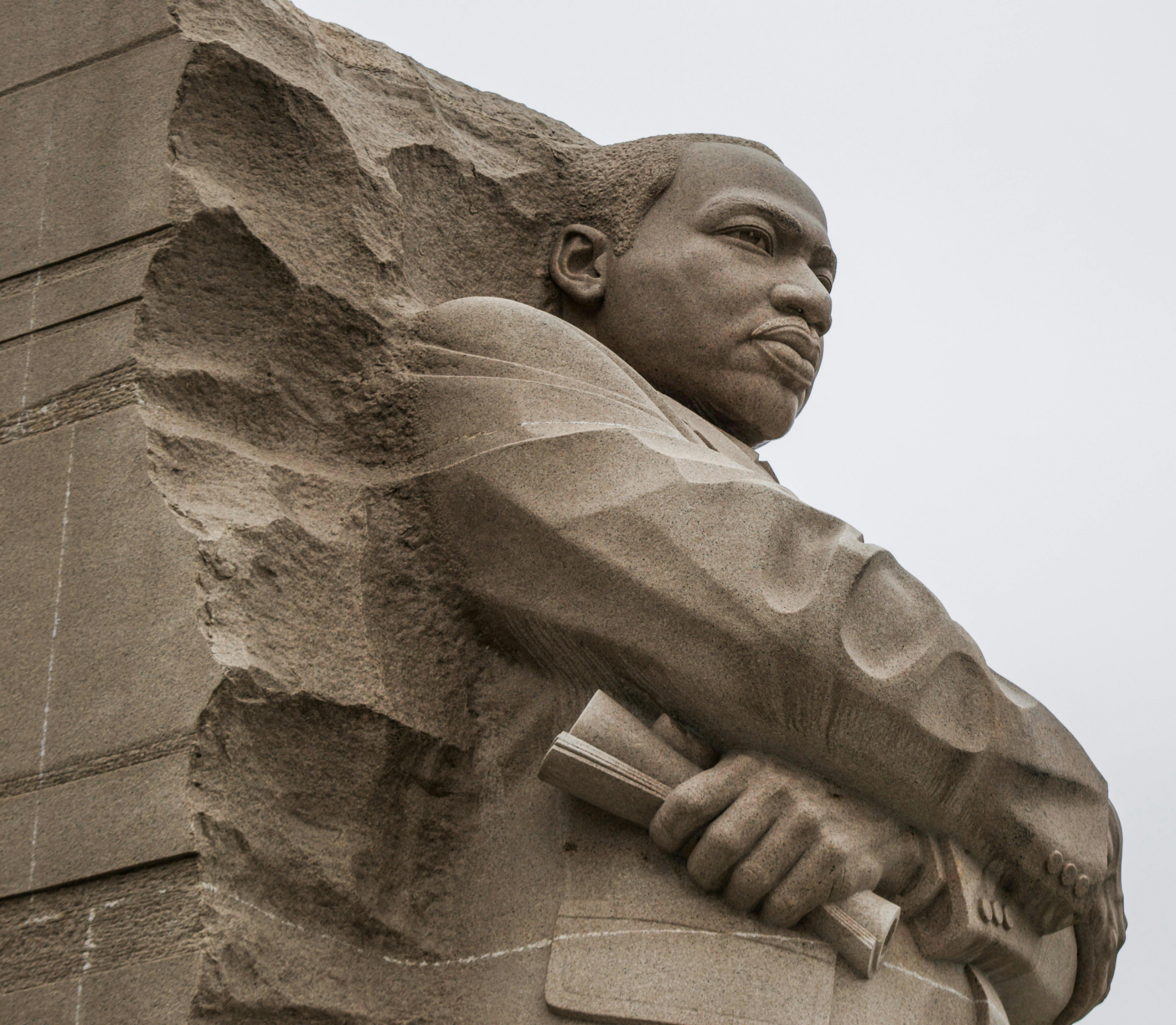
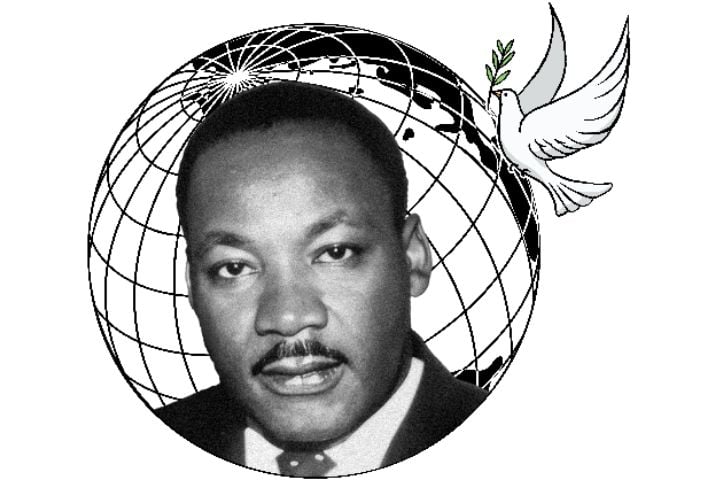
Each year, Martin Luther King Jr. Day invites us not only to remember a towering moral leader, but to reflect on what his legacy demands in the present moment. For organizations committed to justice, equity, and the rule of law, this day is not merely commemorative. It is a call to action, one that asks how values are translated into policies and how principles are defended through sustained advocacy.
For Virginia Poverty Law Center, this reflection arrives during a particularly consequential time. As the Virginia General Assembly convenes, decisions made in legislative chambers will shape access to healthcare, housing stability, economic security, education, and civil rights for countless Virginians. In this context, Dr. King’s vision offers not only inspiration, but guidance for how justice-centered advocacy must be pursued.
Dr. King’s Vision of Justice and the Role of the Law
Dr. King understood that justice is not self-executing. While his leadership is often remembered through powerful speeches and moments of moral clarity, his work consistently emphasized the importance of structural change. He challenged laws and policies that entrenched inequality and called on institutions, including courts, legislatures, and advocates, to align legal systems with human dignity.
King’s vision of justice was expansive. It encompassed civil rights, economic opportunity, healthcare, housing, labor protections, and peace. He recognized that legal frameworks can either protect communities or perpetuate harm, and that silence in the face of unjust systems is itself a form of complicity. In this sense, advocacy was not optional. It was essential.
Advocacy During the General Assembly: From Values to Action
Martin Luther King Jr. Day is often described as a day on, not a day off. That framing captures a core truth of King’s philosophy: reflection must be paired with responsibility. During the General Assembly session, this responsibility takes tangible form as advocates, community members, and policymakers engage in conversations that shape the future of Virginia.
For VPLC, the legislative session is a critical period for advancing policies that promote fairness and opportunity for low-income Virginians. It is a time when legal expertise, community partnerships, and lived experience converge to inform decision-making. Advocacy during this season reflects Dr. King’s belief that meaningful change requires both moral conviction and strategic engagement with systems of power.
[King] recognized that legal frameworks can either protect communities or perpetuate harm, and that silence in the face of unjust systems is itself a form of complicity. In this sense, advocacy was not optional. It was essential.
Advocacy as a Living Expression of Dr. King’s Legacy
The advocacy efforts taking place during this period demonstrate how Dr. King’s legacy continues to shape justice-centered action today, particularly within the context of legislative engagement. Gatherings such as Our Voices, Our Future: Intergenerational Advocacy Day and Rally bring together advocates of all ages to engage directly with the legislative process, affirming that social progress is sustained through shared leadership across generations and sustained civic participation.
Issue-focused advocacy days, including Healthcare for All Virginians Advocacy Day, address questions of access, dignity, and economic security that align closely with the justice concerns Dr. King raised throughout his life. These efforts help ensure that legislative conversations remain grounded in lived experience rather than abstraction, centering the realities of individuals and families most affected by public policy.
This season of advocacy also includes opportunities for learning and engagement that help demystify the legislative process and invite broader participation. Through initiatives such as Coffee Chat with VPLC: Legislative Kickoff, VPLC creates space for community members and supporters to better understand legislative priorities and the pathways through which advocacy can inform public decision-making. Together, these forms of engagement underscore a central truth of Dr. King’s work: advocacy is not separate from justice, but one of its most faithful expressions. Through persistent, collective action, moral conviction is translated into the realm of public policy and lasting change.
Carrying the Work Forward
Dr. King once wrote that the arc of the moral universe is long, but it bends toward justice. He also understood that this arc does not bend on its own. It bends through sustained effort, courageous advocacy, and a willingness to confront injustice wherever it appears.
As we honor Dr. Martin Luther King Jr. in 2026, the Virginia Poverty Law Center reaffirms its commitment to this work. Through legislative advocacy, coalition building, public education, and community engagement, VPLC continues to advance policies that reflect fairness, equity, and respect for human dignity.
In this season of reflection and action, we are reminded that justice is not achieved in a single moment or session. It is built over time through persistence, partnership, and the belief that the law can and must serve as a tool for justice. Honoring Dr. King means carrying this responsibility forward, ensuring that his vision lives not only in memory, but in action.